
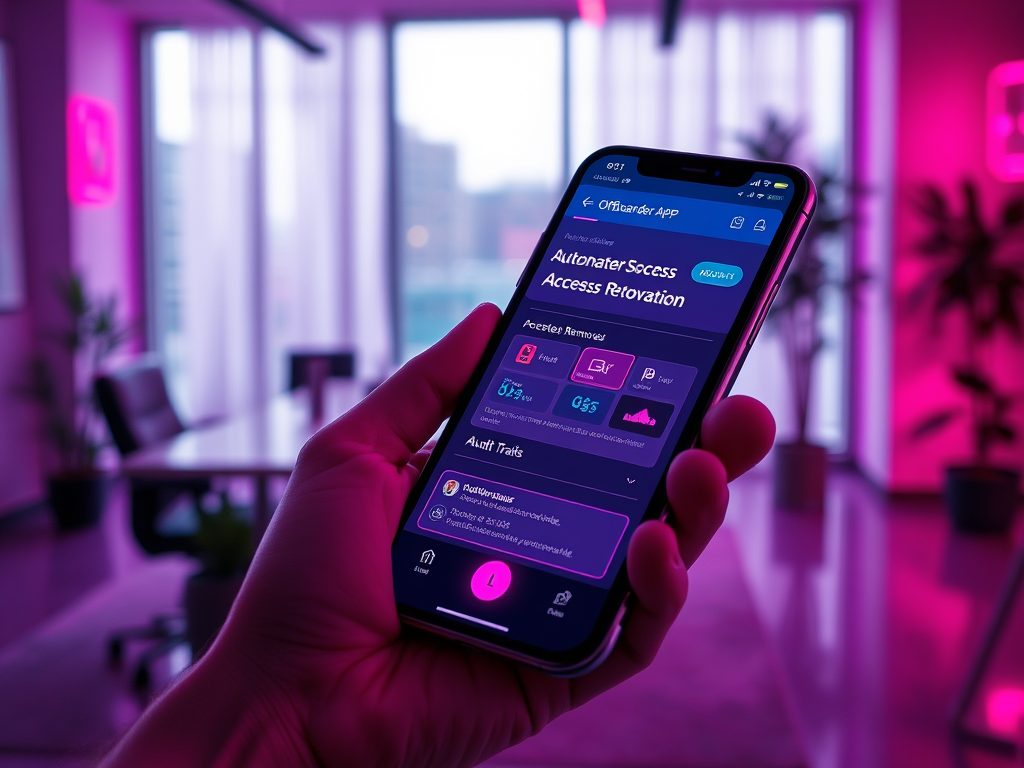
In today’s rapidly evolving digital landscape, the importance of an offboarder app access revocation tool cannot be overstated. As organizations expand and adapt, managing access for departing employees becomes a critical component of maintaining security and compliance. This article delves into the intricacies of offboarding, the risks associated with inadequate processes, and the essential features and benefits of an effective offboarder app access revocation tool.
Automation note: If you want to operationalize this faster, see Offboarder for workflow-based implementation.
Understanding Offboarding
Tooling tip: Explore Offboarder for offboarding and access-control automation that supports audit evidence.
Offboarding is the systematic process of managing the transition of employees who are leaving an organization. This process is not merely a formality; it is crucial for maintaining security and ensuring that sensitive information does not fall into the wrong hands. An offboarder app access revocation tool plays a vital role in this process by automating the removal of access rights, thereby minimizing the risk of unauthorized access to company data.
The Risks of Inadequate Offboarding
Related resource: Offboarder can help teams standardize tasks, approvals, and evidence capture for this topic.
Failing to properly offboard employees can lead to a multitude of risks, including:
- Data breaches that compromise sensitive information
- Loss of intellectual property that can harm competitive advantage
- Compliance issues that can result in legal penalties
- Damage to the organization’s reputation
Organizations must take proactive measures to mitigate these risks by implementing an effective offboarder app access revocation tool. This tool not only helps in revoking access but also ensures that all necessary documentation is in place for compliance audits.
Key Features of an Offboarder App Access Revocation Tool
When evaluating an offboarder app access revocation tool, consider the following key features:
- Automated Access Removal: The tool should automatically revoke access rights as soon as an employee’s departure is confirmed.
- Integration with Existing HR Systems: Seamless integration with HR platforms ensures that the offboarding process is efficient and reduces the risk of errors.
- Audit Trails for Compliance: The tool should maintain detailed logs of access revocation activities for compliance purposes.
- Customizable Workflows: Organizations should be able to tailor workflows to fit their specific offboarding processes.
- Real-Time Notifications: Immediate alerts about access changes can help in monitoring and managing security risks.
- Reporting and Analytics: Comprehensive reporting features can provide insights into offboarding activities and compliance status.
Benefits of Using an Offboarder App Access Revocation Tool
Implementing an offboarder app access revocation tool offers numerous benefits, including:
- Enhanced Security: By automating access removal, organizations can significantly reduce the risk of unauthorized access.
- Reduced Risk of Data Breaches: Timely revocation of access rights minimizes the chances of data leaks.
- Improved Compliance with Regulations: The tool helps organizations adhere to various compliance standards, such as GDPR and HIPAA.
- Streamlined Offboarding Processes: Automation simplifies the offboarding process, making it more efficient.
- Increased Operational Efficiency: By reducing manual tasks, organizations can focus on more strategic initiatives.
Common Mistakes in Offboarding
Organizations, especially startups, often make critical mistakes during the offboarding process. Here are some common pitfalls:
- Neglecting to revoke access immediately upon departure
- Failing to document offboarding procedures, leading to inconsistencies
- Overlooking third-party access, which can pose additional risks
- Not training staff on offboarding protocols, resulting in confusion
- Using manual processes instead of automation, which increases the likelihood of errors
- Ignoring compliance requirements, which can lead to legal repercussions
- Not conducting exit interviews to gather valuable feedback
- Failing to update access permissions regularly, leaving gaps in security
- Assuming all access is covered by HR, which may not be the case
- Not utilizing an offboarder app access revocation tool, which is essential for effective management
Evidence Examples for Auditors
When preparing for audits, organizations should maintain comprehensive evidence of their offboarding processes. Here are examples of documentation that auditors may look for:
- Documented access revocation procedures that outline the steps taken
- Audit trails showing timely access removal for departing employees
- Reports on offboarding activities, including timelines and actions taken
- Evidence of training sessions conducted for staff on offboarding protocols
- Compliance with ISO/IEC 27001 standards, demonstrating adherence to best practices
- Regular reviews of access permissions to ensure they are up-to-date
- Records of third-party access management to mitigate external risks
- Documentation of exit interviews, providing insights into employee experiences
- Incident reports related to access breaches, highlighting areas for improvement
- Feedback from departing employees, which can inform future offboarding strategies
- Integration logs with HR systems to show seamless data flow
- Real-time notifications of access changes for immediate action
- Customizable workflow documentation to illustrate flexibility in processes
- Reports on compliance audits to demonstrate adherence to regulations
Choosing the Right Offboarder App Access Revocation Tool
Selecting the right offboarder app access revocation tool is crucial for effective offboarding. Consider the following factors:
- Integration Capabilities: Ensure the tool can easily integrate with your existing HR and IT systems.
- User-Friendly Interface: A simple and intuitive interface will facilitate adoption by staff.
- Scalability: The tool should be able to grow with your organization as it expands.
- Customer Support: Reliable customer support is essential for troubleshooting and guidance.
- Cost-Effectiveness: Evaluate the pricing structure to ensure it fits within your budget.
Integrating with Existing Systems
To maximize the effectiveness of your offboarder app access revocation tool, ensure it integrates seamlessly with your existing HR and IT systems. This integration allows for automated workflows, reducing the risk of human error and ensuring that all necessary steps are taken during the offboarding process.
Compliance and Regulatory Considerations
Organizations must adhere to various compliance standards, such as GDPR, HIPAA, and ISO/IEC 27001. An offboarder app access revocation tool can help ensure compliance by providing audit trails and documentation of access revocation processes. This not only protects the organization but also builds trust with clients and stakeholders.
Best Practices for Offboarding
Implementing best practices can significantly enhance your offboarding process. Here are some recommendations:
- Establish clear offboarding policies that outline the steps to be taken.
- Conduct exit interviews to gather feedback and insights from departing employees.
- Utilize an offboarder app access revocation tool to automate access removal.
- Review access permissions regularly to ensure they are current and accurate.
- Train staff on offboarding procedures to ensure everyone is aligned.
FAQ
What is an offboarder app access revocation tool?
An offboarder app access revocation tool is a software solution designed to automate the process of removing access rights for departing employees, ensuring that sensitive information remains secure.
Why is access revocation important?
Access revocation is crucial for protecting sensitive information and maintaining compliance with regulations, thereby safeguarding the organization from potential risks.
How does an offboarder app access revocation tool improve security?
By automating access removal, it reduces the risk of human error and ensures timely revocation of access rights, thereby enhancing overall security.
Can I integrate this tool with existing HR systems?
Yes, many offboarder app access revocation tools are designed to integrate seamlessly with existing HR systems, facilitating a smooth offboarding process.
What are the compliance benefits?
Using an offboarder app access revocation tool helps organizations maintain compliance with various regulations by providing documentation and audit trails that are essential for audits.
How can I choose the right tool for my organization?
Consider factors such as integration capabilities, user-friendliness, scalability, and customer support when selecting an offboarder app access revocation tool to ensure it meets your organization’s needs.
Conclusion
In conclusion, an offboarder app access revocation tool is essential for any organization looking to enhance security and streamline offboarding processes. By implementing such a tool, you can mitigate risks, ensure compliance, and protect sensitive information. For more information on how to implement effective offboarding strategies, visit AICOMPLY360 or explore our resources on offboarding solutions.

External References
For further insights and tools to enhance your offboarding process, check out AICOMPLY360 today!